

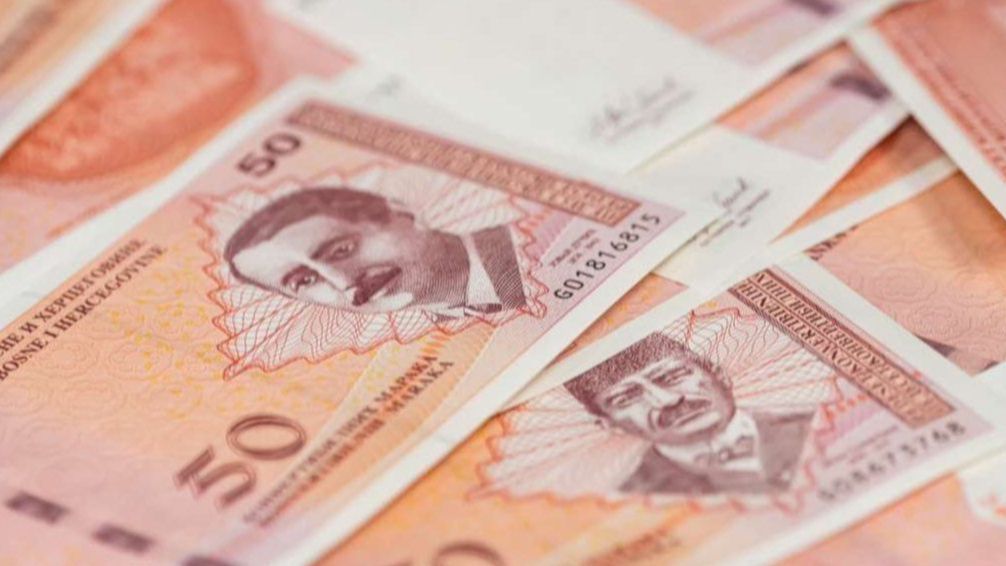
The standard of living in Bosnia and Herzegovina has been one of the most frequently discussed topics for years, especially when comparing average salaries and actual cost of living.
Although nominal incomes are gradually increasing, most citizens still feel that their money is worth less than before, because prices of basic necessities are rising at almost the same pace.
The average salary in Bosnia and Herzegovina currently ranges between 1,500 and 1,700 convertible marks, depending on the entity and employment sector. However, it is important to emphasize that a significant number of workers receive an amount below that average, which means that the real picture of the standard of living for most of the population does not match statistical data.
It is precisely for this reason that the question is often raised of how much one salary is actually sufficient for a normal life.
More expensive in larger cities
When analyzing basic monthly expenses, it is clear that the largest part of the budget goes to food, housing and utilities. Food costs for one person on average range from 400 to 700 convertible marks, depending on habits and shopping methods, according to various analyses.
Rent in larger cities such as Sarajevo, Banja Luka or Mostar usually amounts to between 400 and 800 convertible marks for a one-bedroom apartment, while utilities are an additional 150 to 300 convertible marks per month. When you add to that transportation, hygiene items, clothes and unexpected expenses, total monthly expenditures grow quickly.
In practice, this means that for basic functioning of one person in BiH, at least around 1,200 to 1,500 convertible marks per month is needed. This is the level at which basic needs can be covered, but without significant opportunities for savings or a more comfortable lifestyle.
For a somewhat more stable life, in which there is room for savings, outings or travel, approximately 1,800 to 2,200 convertible marks per month is needed. Above that begins the level at which a person can live without major financial pressure, but such incomes are still not available to most citizens.
The situation becomes even more demanding when it comes to families. Estimates show that a four-member family often needs more than 3,000 convertible marks per month for basic living expenses, an amount that many families cannot reach with just one average income. This is why in many households both partners work or additional sources of income are sought.
The place of residence also plays a major role in total expenses. Life in larger cities is significantly more expensive, primarily due to rental prices and services, while smaller towns and rural areas are somewhat more affordable, but often also offer fewer opportunities for employment and advancement.
No long-term stability
An additional problem is also the fact that many citizens face unpredictable price increases, especially of basic food items and energy, which makes planning a monthly budget difficult. Even when income seems stable, inflation can significantly reduce the real value of a salary. This is why more and more people are deciding on more rational consumption, postponing major purchases or seeking additional sources of income.
Also, a significant number of young people in Bosnia and Herzegovina do not see long-term financial stability within the country, so going abroad becomes a common option. The reasons for this are most often higher salaries, a more stable labor market and better living conditions, which further affects the domestic labor market and demographic picture.
All of this shows that the average salary in Bosnia and Herzegovina in many cases covers basic needs, but does not provide a stable and relaxed standard of living. It is precisely this difference between income and actual cost of living that remains one of the key economic challenges in the country, and without significant structural changes, it is difficult to expect faster improvement in the standard of living for citizens.